Why Spring Drainage Problems Are So Common in the Cowichan Valley
Late March on Vancouver Island means one thing: water. Lots of it. Between the tail end of winter rain and early spring thaw, properties across the Cowichan Valley deal with standing water, soggy yards, flooded crawl spaces, and eroded driveways every single year. If you’ve been putting off dealing with that puddle that never seems to drain or the corner of your yard that turns into a swamp every spring, now is the time to act — before a minor nuisance becomes a major repair bill.
Proper drainage isn’t just about keeping your boots dry. It protects your foundation, preserves your driveway, keeps your septic system functioning, and prevents soil erosion that can undermine fencing, outbuildings, and retaining walls. Whether you’re a homeowner in Duncan, a hobby farmer in Cobble Hill, or running acreage near Lake Cowichan, understanding your drainage options — and getting the right equipment to do the job — can save you thousands down the road.
The Cowichan Valley sits in a unique geographic position on Vancouver Island. While it’s one of the driest regions on the Island during summer, it receives substantial rainfall from October through March. The valley’s mix of clay-heavy soils, sloped terrain, and low-lying agricultural land creates a perfect recipe for drainage issues once the ground becomes saturated.
Clay soils are especially problematic because they don’t absorb water the way sandy or loamy soils do. Instead, water pools on the surface or runs off in sheets, carving channels across driveways and eroding garden beds. Properties near rivers and creeks — common throughout Duncan, Maple Bay, and the Cowichan Station area — face additional risk from rising water tables during spring.
Older properties often have inadequate or deteriorating drainage infrastructure. Perforated pipes get clogged with roots and sediment over the years, ditches fill in with debris, and what worked 20 years ago may not handle today’s water volumes. If you’ve noticed drainage getting worse year over year, it’s usually not your imagination — it’s deferred maintenance catching up.
The good news is that most residential and small-acreage drainage problems can be solved with the right approach and the right equipment. You don’t always need a massive contractor crew. Many Cowichan Valley property owners tackle drainage projects themselves with rented equipment and a solid plan.
French Drains: The Go-To Solution for Residential Properties
If you ask any experienced contractor on Vancouver Island what the most versatile drainage solution is, the answer is almost always a French drain. It’s a simple concept — a gravel-filled trench with a perforated pipe that collects and redirects water away from problem areas — but it’s incredibly effective when installed properly.
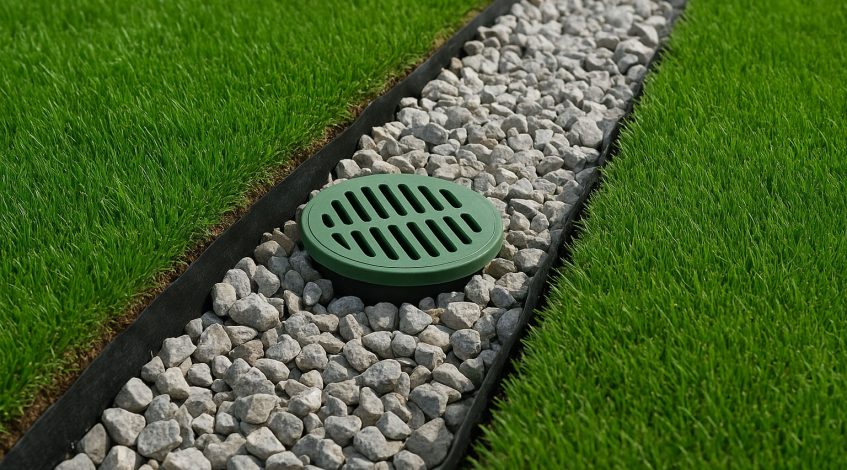
A typical French drain installation involves digging a trench 12 to 18 inches wide and 18 to 24 inches deep, sloping it at a minimum grade of 1% (about one inch per eight feet) toward your discharge point. You line the trench with landscape fabric to prevent soil from clogging the gravel, lay in a four-inch perforated pipe, and backfill with clean drain rock.
The key to a successful French drain is getting the trench dug correctly. For short runs along a house foundation, you can get by with hand digging. But for longer runs across a yard or around the perimeter of a property, you’re looking at a lot of trench work. This is where a mini excavator earns its keep. A compact excavator with a narrow bucket can cut a clean, consistent trench in a fraction of the time it takes by hand — and it does it without destroying the rest of your yard.
WC Supplies in the Cowichan Valley rents mini excavators that are perfect for residential drainage projects. They’re small enough to fit through a standard gate opening but powerful enough to handle the clay soils that make hand digging such a miserable experience on the Island. If you’ve never operated one before, Brad and the team can walk you through the basics — it’s more straightforward than most people expect.
For more on what’s available, check out WC Supplies’ full excavation services page.
Swales, Ditches, and Grading: Working With Your Land’s Natural Slope
Not every drainage problem requires buried pipe. Sometimes the most effective solution is working with the natural contour of your land to direct water where you want it to go. Swales and ditches are surface-level channels that collect runoff and guide it to a safe discharge point — a ditch, a dry well, or a natural drainage course.
A swale is essentially a shallow, broad channel with gently sloped sides. It’s less aggressive than a ditch and blends more naturally into a landscape. Swales work well on larger properties, hobby farms, and rural acreages where you have room to move water gradually across the land. They’re especially effective on sloped properties in areas like Shawnigan Lake, Mill Bay, and the hillsides above Duncan.
Ditching is more defined — a narrower, deeper channel designed to move larger volumes of water quickly. If you’re dealing with serious runoff from a road, a neighbouring property, or a hillside above your land, a properly graded ditch may be the answer.
Both swales and ditches require accurate grading to function properly. Water needs to flow downhill consistently — even a small low spot can create a new pond where you don’t want one. This is another area where renting the right equipment makes all the difference. A skid steer with a grading bucket or a mini excavator can shape terrain precisely, and you can rent either from WC Supplies’ equipment rental fleet right here in the Cowichan Valley.
Property grading — adjusting the slope of the ground around your home or outbuildings — is often overlooked but critically important. The ground should slope away from any structure at a minimum of 2% grade for the first six to ten feet. If the grade around your home has settled or been disturbed by construction, fixing it now prevents water from pooling against your foundation and causing far more expensive problems later.
Culverts and Driveway Drainage: Keeping Access Roads Intact
If you live on a rural property in the Cowichan Valley, your driveway is probably one of the first things to show drainage problems. Gravel driveways wash out, potholes form where water collects, and culverts get clogged with leaves, branches, and sediment over the winter months.
Spring is the perfect time to clean existing culverts and install new ones where needed. A culvert is simply a pipe that runs under a driveway or road to let water cross from one side to the other. Without them, water either flows over the driveway surface — eroding it with every rain — or pools on the uphill side until it finds its own path, usually through the weakest point of your road base.
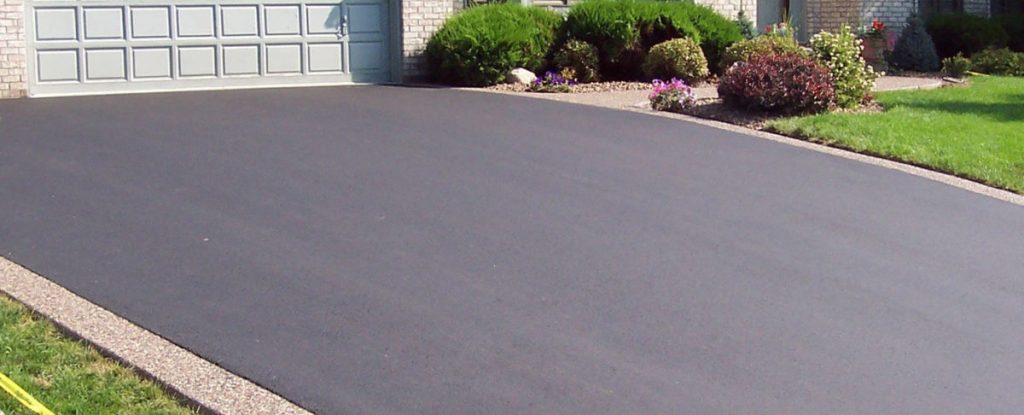
Standard residential culverts are 12 to 18 inches in diameter for most applications, though properties with significant water flow may need larger sizes. Installation involves digging a trench across the driveway path, setting the culvert at the correct grade, and backfilling with compacted gravel. A mini excavator handles the digging, and a plate compactor ensures the backfill is solid enough to support vehicle traffic.
For property owners dealing with multiple drainage crossings or longer driveways — common on acreages near Glenora, Sahtlam, and the back roads around Lake Cowichan — tackling culvert work in spring means your driveway stays solid through the rest of the year instead of deteriorating with every storm.
Protecting Fencing, Outbuildings, and Garden Infrastructure
Water doesn’t just damage houses and driveways. Standing water and poor drainage can undermine fence posts, rot the base of sheds and barns, flood chicken coops, and turn garden areas into unusable mud pits.
If you’ve installed fencing on your property — or you’re planning to this spring — drainage should be part of the planning process from the start. Fence posts set in poorly drained soil will shift, lean, and eventually fail years before they should. A simple French drain or grading adjustment along a fence line can dramatically extend its lifespan. WC Supplies carries a full range of farm fencing supplies and gates and can help you plan an installation that accounts for your property’s drainage patterns.
Chicken coop owners know this problem well. A coop sitting in a low spot becomes a muddy mess that’s unhealthy for birds and unpleasant to maintain. If your Hen Haven coop is dealing with standing water, raising the base with gravel and installing a small drain line can solve the problem permanently.
For garden beds and growing areas, raised beds with proper drainage underneath are the gold standard on Vancouver Island’s clay soils. But even raised beds need somewhere for that water to go. Planning your garden drainage as part of a whole-property approach ensures you’re not just moving the problem from one area to another.
Planning Your Drainage Project: Where to Start
The best drainage projects start with observation. Before you rent equipment or buy materials, spend some time watching where water goes on your property during a heavy rain. Note where it pools, where it flows, and where it exits (or doesn’t). Take photos and measurements. This tells you what you’re working with far more accurately than any theory.
Once you understand the water patterns, map out your plan. Identify your discharge points — where can water safely go? A roadside ditch, a natural watercourse, a dry well, or a rock pit are common options. Make sure you’re not redirecting water onto a neighbour’s property, which can create legal issues and bad relationships.
For most residential and small-acreage drainage projects in the Cowichan Valley, you’ll need some combination of a mini excavator (for trenching and grading), drain rock, perforated pipe, landscape fabric, and possibly culvert pipe. Rental equipment is almost always more cost-effective than hiring a contractor for the full job, especially if you’re comfortable running a machine.
Spring is the ideal window. The ground is soft enough to dig easily but not so waterlogged that you’re working in standing water. By late April and into May, the Cowichan Valley starts drying out, and you’ll have a properly drained property ready for summer projects, gardening, and enjoying your land without dodging puddles.
Get Started With the Right Equipment
Whether you’re installing a French drain along your foundation, grading a driveway, or fixing drainage around your barn, having the right equipment makes the difference between a weekend project and a week-long ordeal.
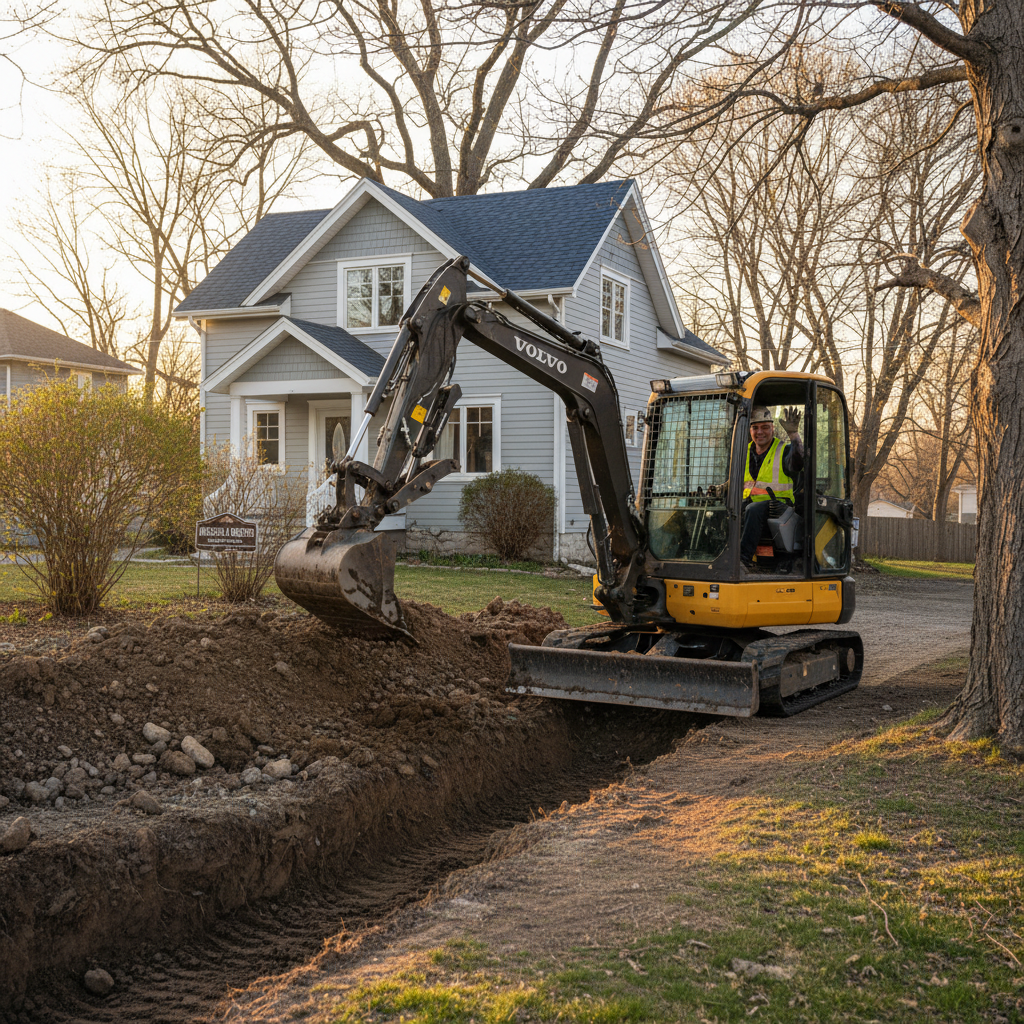
A mini excavator makes quick work of drainage trenches — rent one from WC Supplies and save days of hand digging.
WC Supplies has the mini excavators, skid steers, compactors, and trailers you need to get your spring drainage project done right. They’re local, they know the Cowichan Valley terrain, and they can help you figure out exactly what equipment fits your project.
Give Brad a call at 250-532-0090 or email brad@wcsupplies.com to talk through your project and reserve your rental. Spring is the busiest season for equipment — don’t wait until the next big rain reminds you why drainage matters.