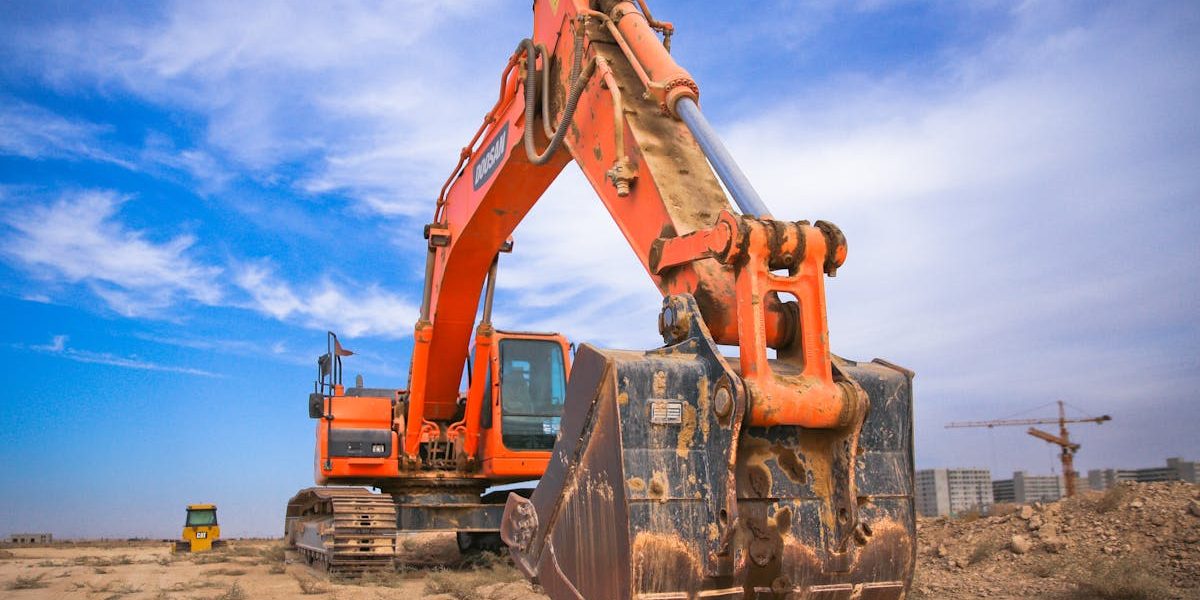
If you’ve got a project that involves moving dirt — digging a foundation, trenching for a waterline, clearing land, or installing drainage — you’re probably weighing whether to rent an excavator. It’s one of the most common calls we get at WC Supplies, and it makes sense. A single day with the right machine can replace a week of manual labour with shovels and wheelbarrows. But if you’ve never arranged an excavator rental in Cowichan Valley before, there are a few things worth knowing before you book. Here are five practical tips from our team to make sure your rental goes smoothly from delivery to pickup.
1. Know What Size Excavator Your Project Actually Needs
This is the question we answer most often, and getting it right saves you real money. Excavators are broadly grouped into three size classes, and each one fits a different kind of work.
Mini excavators (under 10,000 lbs, typically 1- to 5-tonne machines) are the workhorse for residential and small acreage projects. They’re what you want for trenching water or sewer lines (typically 2-4 feet deep), digging fence post holes, building garden terraces, removing stumps, or grading a driveway. A compact mini can work in spaces as narrow as 5-6 feet wide, which matters on Cowichan Valley properties where you’re often squeezing between the house and a fence line or navigating around mature trees.
Mid-size excavators (15,000-30,000 lbs, roughly 6- to 14-tonne) handle bigger residential or light commercial jobs — digging basements, installing septic systems, building ponds, or doing serious land clearing on acreages around Duncan or Lake Cowichan.
Full-size excavators (30,000+ lbs) are for major earthmoving: road construction, large commercial site prep, or deep excavation work.
The mistake we see most often? Renting too big. An oversized machine tears up driveways, compacts soil where you don’t want it, and can’t manoeuvre in tight spaces. If you’re working within 20 feet of your house, a mini is almost always the right call. Not sure? Call Brad — he’ll ask about your project and recommend a size based on what he’s seen work on similar properties in the valley.
Key takeaway: A mini excavator handles 80% of residential projects in Cowichan Valley. Start small — you can always upsize if the job demands it.
2. Understand Exactly What’s Included in the Rental
Rental agreements vary, and assumptions lead to surprise costs. Before you commit, get clear answers on these specifics:
Delivery and pickup: Most rental companies in the Cowichan Valley will deliver to your site — Duncan, Mill Bay, Cobble Hill, Shawnigan Lake, Lake Cowichan, and surrounding areas. But delivery fees vary based on distance. Ask whether delivery and pickup are included in the quoted price or charged separately, and what the lead time is for scheduling. On busy weeks, delivery slots can fill up fast.
Fuel policy: Does the machine arrive with a full tank? Are you expected to refuel before return? Excavators burn roughly 3-6 litres of diesel per hour depending on size and how hard they’re working, so a full day on a mini might use 25-40 litres. Factor this into your budget.
Attachments: A standard digging bucket is usually included, but specialized attachments — thumbs (for grabbing rocks and debris), augers (for post holes), hydraulic breakers (for breaking rock or concrete), and grading buckets (for finish work) — may cost extra or need to be reserved in advance. If your project has multiple phases, like trenching and then grading, ask about bundling attachments.
Operator availability: Not everyone is comfortable running a 10,000-lb machine, and there’s no shame in that. We offer professional excavation services with experienced operators who know the local soil conditions — the heavy clay around Duncan, the rocky ground near Cobble Hill, the soft peat soils closer to the coast. Having a pro on the controls often means the job gets done in half the time.
Key takeaway: Get a written quote that itemizes delivery, fuel expectations, attachments, and hourly/daily rates so there are no surprises on the invoice.
3. Prepare Your Site Before the Equipment Arrives
An hour of site prep the day before delivery can save you hundreds of dollars in machine downtime. Here’s what to think through:
Access route: The excavator arrives on a trailer pulled by a heavy truck. Measure your gate width (most trailers need at least 8-10 feet of clearance), check for low-hanging branches or power lines along the driveway, and note any tight turns. If you’re on a rural property off a gravel road — common around Cowichan Station, Glenora, or the back roads near Maple Bay — make sure the shoulders are firm enough to support a loaded truck. Soft, rain-soaked shoulders can bog down a delivery rig, and recovering it becomes your problem.
Ground conditions: This is Vancouver Island — rain is part of life, and saturated ground is the number one cause of delays. If the area where you’re working has been sitting in water, the excavator can sink up to its tracks. Consider laying down 3/4-inch gravel pads or sheets of plywood in your staging area and along the travel path. If you’ve had heavy rain the week before your rental, call and discuss conditions — it might be worth pushing the date by a few days rather than fighting mud the whole time.
Underground utilities: Before anyone digs, you’re legally required to call BC One Call (1-800-474-6886) to have underground services located and marked. This includes water mains, gas lines, electrical conduit, telecom cables, and septic systems. Do this at least five business days before your rental starts — not the day before. Hitting a gas line or fibre optic cable is dangerous, and the repair costs will dwarf your entire project budget.
Key takeaway: Call BC One Call a week ahead, check your access route with a tape measure, and watch the weather forecast. A prepared site means the machine works from the moment it rolls off the trailer.
4. Know Your Liability and Insurance Requirements
An excavator is a powerful, expensive piece of equipment, and operating one comes with real responsibility. Before you sign the rental agreement, understand these three areas:
Damage liability: From the moment the machine is offloaded on your property until it’s picked up, you’re responsible for it. That means damage from operator error (hitting a foundation wall, snapping a hydraulic line on a tree), weather events, theft, and vandalism. If the machine rolls on a slope or sinks in a bog, the recovery and repair costs come to you. On a mini excavator, you’re looking at a machine worth $40,000-$80,000, so the stakes aren’t trivial.
Insurance options: Check your existing homeowner’s or contractor’s insurance policy first — some policies cover rented equipment, many don’t. If yours doesn’t, ask the rental company about damage waiver options. The cost is typically 10-15% of the rental rate, and for a weekend rental, that small premium buys significant peace of mind. If you’re a contractor, your commercial general liability policy may already cover it — check with your broker.
Operator qualifications: In British Columbia, you don’t legally need a licence to operate an excavator on private property. But “legal” and “safe” aren’t the same thing. If you’ve never operated one before, the learning curve is steep — you’re coordinating boom, stick, bucket, swing, and tracks simultaneously. One wrong lever pull near a foundation, retaining wall, or utility line can cause thousands in damage. For first-timers, we strongly recommend booking one of our operators. The cost is a fraction of what a mistake would run you, and the job gets done faster and cleaner.
Key takeaway: Verify your insurance covers rented equipment before signing anything. If you’re not experienced on the controls, hire an operator — it’s the cheapest insurance you’ll buy.
5. Book Early — Peak Season Fills Up Fast
Spring and summer on Vancouver Island are prime construction and landscaping season, and from April through September, excavators are in high demand across the Cowichan Valley. Contractors are running multiple jobs, homeowners are tackling outdoor projects, and the rental fleet has limits.
If you know you’ve got a project coming up in May or June — a new shop foundation, a septic install, clearing a building site — start the conversation in March. This is especially true for mid-size machines and specialty attachments like augers or breakers, which are limited in number and tend to get booked weeks in advance.
Even for smaller jobs, calling a week or two early to lock in your dates means you won’t get pushed back. We’ve had customers lose two or three weeks waiting for a machine to free up in July because they called the week they needed it. Planning a weekend project? Friday-to-Monday rentals are popular — book those at least two weeks out during peak months.
The flip side: if your project is flexible, shoulder season (October-November and February-March) often has better availability and you can sometimes negotiate on rates. Fall is a great time for drainage projects and land clearing before the winter rains set in, and late winter works well for site prep ahead of spring building.
Key takeaway: For peak season (April-September), book 3-4 weeks ahead. For shoulder season, a week’s notice usually works — and you may get a better deal.
Ready to Get Started?
Renting an excavator doesn’t have to be complicated. Know your project scope, pick the right machine size, prepare your site, sort out your insurance, and book ahead — and you’ll have a smooth experience from the moment the machine rolls off the trailer to the final grading pass.
Browse our full equipment rental options to see what’s available, or skip straight to a conversation with someone who can help. Whether you’re digging footings on a new build, trenching drainage on your Cowichan Valley acreage, or prepping a commercial lot, the WC Supplies team is here to help. Give Brad a call at 250-532-0090 or email brad@wcsupplies.com — he’s always happy to talk through your project and get you set up with the right machine.